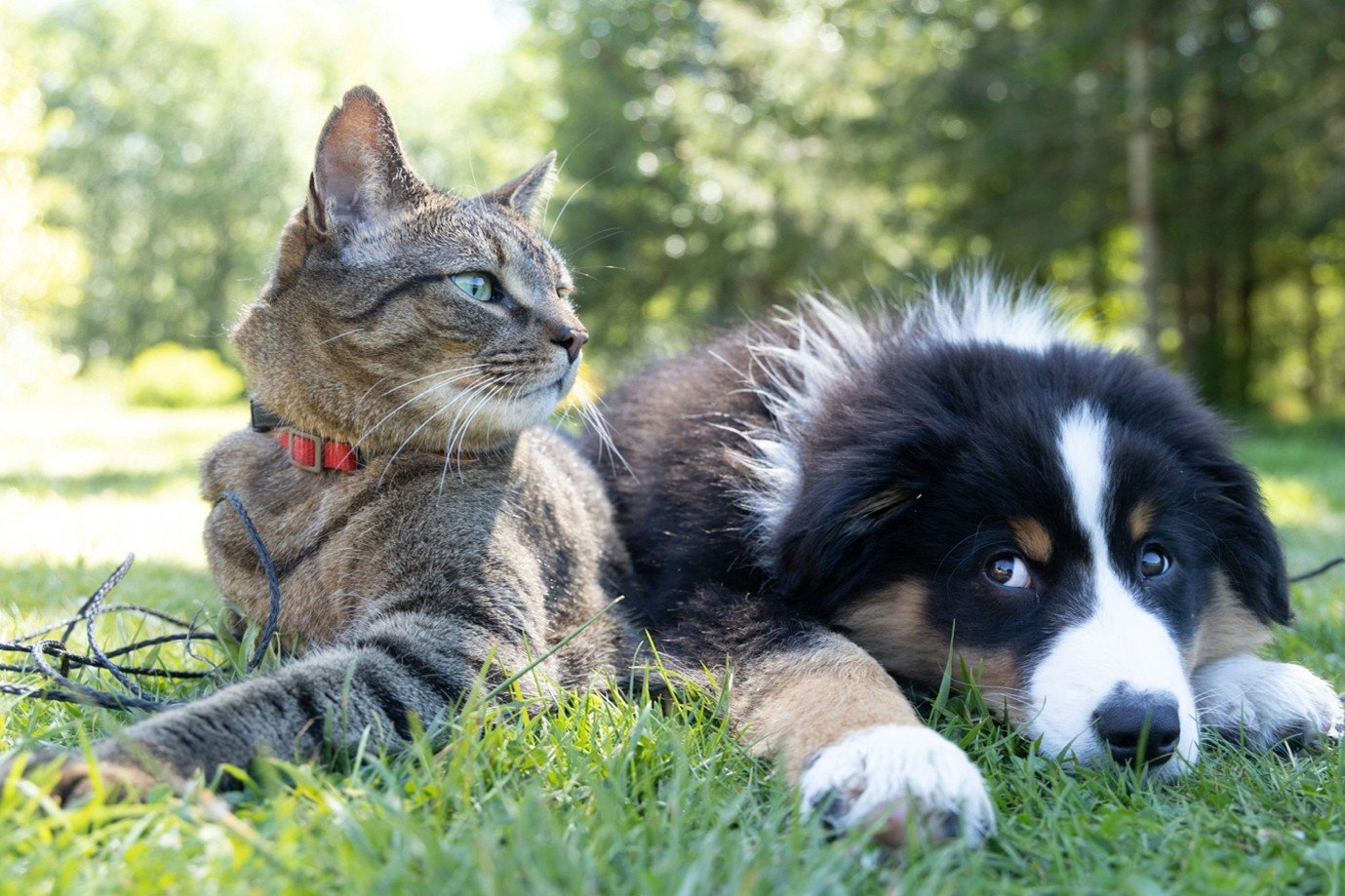
When couples separate, one of the most emotionally charged – yet often overlooked – issues is what happens to the family pet.
As a mediator, I frequently see how pets can become a surprising source of acrimony in divorce. They’re not just animals; they’re companions, confidants, and part of the emotional fabric of the family.
Yet under English law, pets are treated as chattels—in the same category as furniture or cars. Ownership is usually determined by whose name is on the receipt or vet records, not who the pet is most bonded to or who is best placed to care for them.
This often leaves one party feeling devastated, and the pet caught in the middle.
In reality, very few couples discuss pet ownership at the point of getting a dog or cat. One partner may have done the research, the other paid the breeder, but both are emotionally invested. After separation, the pet can become a proxy for unresolved grief or even control, and disputes can quickly escalate.
What’s missing is any focus on the wellbeing of the pet—something our legal system doesn’t currently provide. Unlike child arrangements, there’s no framework for deciding what’s in the animal’s best interests.
This is where mediation can offer a more compassionate, constructive path.
In mediation, we can explore shared care arrangements, financial contributions to vet bills, and routines that respect the pet’s attachment to both parties. We can also create tailored “pet parenting plans,” especially useful for couples with children, where the pet forms part of a wider sense of family continuity.
If you’re supporting clients through separation—particularly those with a deep attachment to their pets—it’s worth highlighting this issue early. Referring them to mediation can help avoid unnecessary conflict and put their pet’s wellbeing front and centre.
It’s time we moved beyond treating pets as property. They deserve better—and so do the people who love them.